01 My Face Don’t Fit
The story
Some names should ring out like bells. Paul
Stephenson is one of them. Yet for most Britons
he is unknown. My Face Don’t Fit is a musical
tribute to a man whose quiet determination helped shift the moral compass of a city and put us on the road to ending racial discrimination.
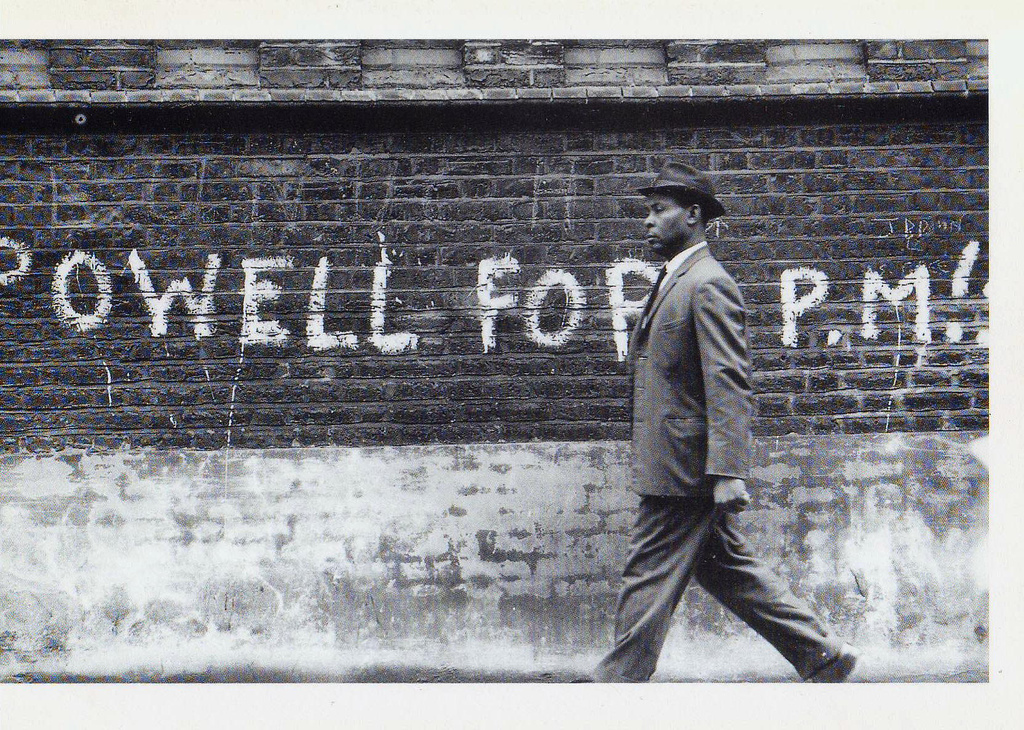
The early 1960s in Britain was a time of
contradictions. The country was rebuilding,
modernising, redefining itself – but all the while,
it was clinging to old prejudices. One of the
more blatant expressions of this was the Bristol
Omnibus Company’s refusal to employ Black
or Asian bus crew. The logic? Not ability, not
reliability – just colour.
In stepped Paul Stephenson. Trinidadian-born,
eloquent, calm, and purposeful. He wasn’t content to write letters or grumble quietly. With a group of young activists and support from sections of Bristol’s commuters, Paul helped organise the Bristol Bus Boycott of 1963 – a local protest borrowing ideas from a decade earlier pioneered by Rosa Parks in Alabama.
People stopped riding. The press paid attention.
Parliament was forced to pay attention. Within
months, the company caved, the employment
bar was lifted, and British civil rights had one of
its first victories. This was the action that helped
pave the way to the Race Relations Act of 1965,
the first legislation in the UK to address racial
discrimination.
The song’s title – My Face Don’t Fit – repeats like a wound, reflecting the weary repetition of rejection that Black Britons experienced for decades. The lyrics speak to the daily humiliations: being turned away for jobs not because of skill or character,
but because someone behind a desk didn’t like
the look of you. It’s personal, but not singular. It
happened to many.
And yet, the song doesn’t stay in sorrow. It builds. The rhythm of resistance begins to rise: “People just walked, refused to pay. / The buses sat empty, day by day.” There’s power in collective action, in standing shoulder to shoulder – even if you’ve never met the person next to you on the pavement.
The final verse rings out with quiet triumph.
The refrain transforms: “My face now fits.” It’s a
vision, perhaps more than a reality even now – but it’s the destination. The future, in this song, is one that rolls forward with everyone aboard.
This chapter, like Paul’s work, reminds us that change often comes not through grand gestures but through consistent, principled stands. Folk music may often look backward, but here it looks straight ahead – with clear eyes and a steady voice. Remember We Shall Overcome, and This Land is my Land. This song channels a reggae rhythm to make it the first British folk song to do so.
Lyrics
Went for a job to the depot downtown.
The gaffer said
“No. You’re the wrong shade of brown.”
Too loud, too bold, your voice too strange,
We’ve got rules here, we cannot change.
My face don’t fit. My face don’t fit.
His words a blow, a heavy hit.
They don’t like my kit or my island wit. I’m strong, I’m quick, and I won’t quit. Across the seas, a flame took hold, A voice cried out, “These rules are cold.” My face don’t fit. My face don’t fit. The fire burns slow, steady and lit.
Justice stood on the side of right.
Good folk joined, they saw the fight.
People just walked, refused to pay.
The buses sat empty, day by day.
My face don’t fit. My face don’t fit.
The rhythm of change begins to lift.
And when they opened the door, They changed the rules forevermore. No more turning back, no more denied, Black, white and brown now take the ride. My face now fits. My face now fits. We drive together; the future benefits.